
Mastering Knots: a Guide for Every Sailor
Setting sail on the open seas is an exhilarating experience that requires a range of skills and knowledge. Among the essential skills every sailor must possess is the ability to tie various knots effectively. Whether you are a seasoned sailor or just starting out, mastering the art of knots is crucial for ensuring safety, efficiency, and success on the water.
Understanding the Basics
Before delving into specific knots, it is important to grasp the basics of knot tying. Knots serve various purposes on a boat, from securing lines to fastening sails. The key to tying a good knot lies in its ability to be strong, secure, and easily untied when necessary. Additionally, knowing when and where to use a particular knot is equally important. Each knot has its own unique characteristics and applications, making it essential to select the right knot for the task at hand.
Types of Knots
There are numerous types of knots that every sailor should be familiar with. Here are some of the most common and useful knots:
– **Figure-Eight Knot**: This knot is simple to tie and is commonly used to prevent a line from slipping through a fitting or block. It is also easy to untie after being under load.
– **Bowline Knot**: Known for its strength and security, the bowline is often used to create a fixed loop at the end of a line. This knot is reliable and does not slip or bind under load.
– **Clove Hitch**: Ideal for securing a line to a post or piling, the clove hitch is quick to tie and untie. It is versatile and can be used in various situations.
– **Sheet Bend**: When joining two ropes of different diameters, the sheet bend is the go-to knot. It is strong, secure, and easy to untie.
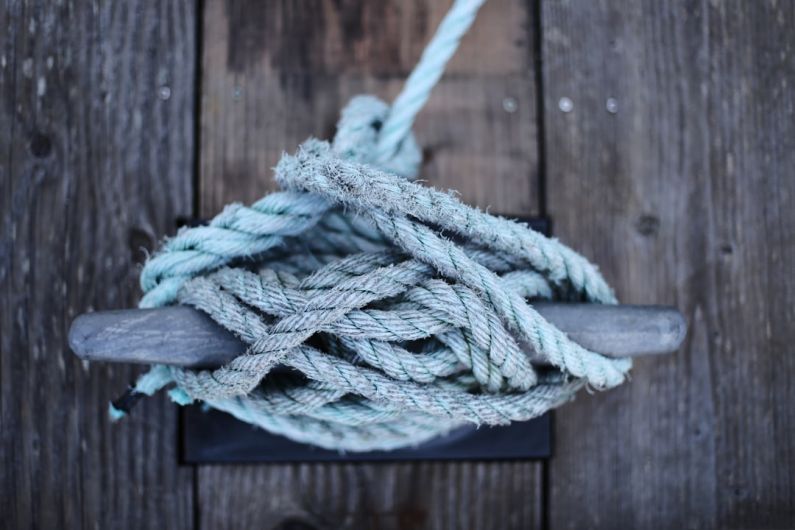
– **Cleat Hitch**: Essential for docking, the cleat hitch is used to secure a line to a cleat on a dock or boat. It is simple to tie and provides a reliable hold.
Practice Makes Perfect
Like any skill, mastering knots requires practice and repetition. Set aside time to practice tying different knots until you can do so confidently and efficiently. Familiarize yourself with the nuances of each knot and understand when and where to use them. Practice tying knots in various conditions, such as in low light or rough seas, to ensure that you can do so effectively in any situation.
Safety First
While knots are essential for sailing, safety should always be the top priority. Regularly inspect your knots to ensure they are secure and show no signs of wear or damage. Always use the appropriate knot for the task at hand, and never compromise on safety. When in doubt, seek guidance from experienced sailors or instructors to ensure you are using the correct knot for the situation.
Adapting to Challenges
Sailing presents a myriad of challenges, from changing weather conditions to unexpected emergencies. Being able to adapt and improvise with your knot tying skills is crucial for overcoming these challenges. Practice tying knots quickly and efficiently, and be prepared to use alternative knots if necessary. Flexibility and quick thinking are key when it comes to knot tying on the water.
In Conclusion
Mastering knots is an essential skill for every sailor, regardless of experience level. By understanding the basics of knot tying, familiarizing yourself with common knots, practicing regularly, prioritizing safety, and being adaptable in challenging situations, you can enhance your sailing experience and navigate the waters with confidence. With dedication and practice, you can become a proficient knot tyer and a more skilled sailor overall.