The Role of a Skipper: Responsibilities and Skills
Navigating the vast open waters requires more than just steering a boat. It demands a skilled and knowledgeable individual at the helm – a skipper. A skipper plays a pivotal role in ensuring the safety of the crew, the vessel, and the success of the voyage. Let’s delve into the responsibilities and skills that define the role of a skipper.
Understanding the Responsibilities
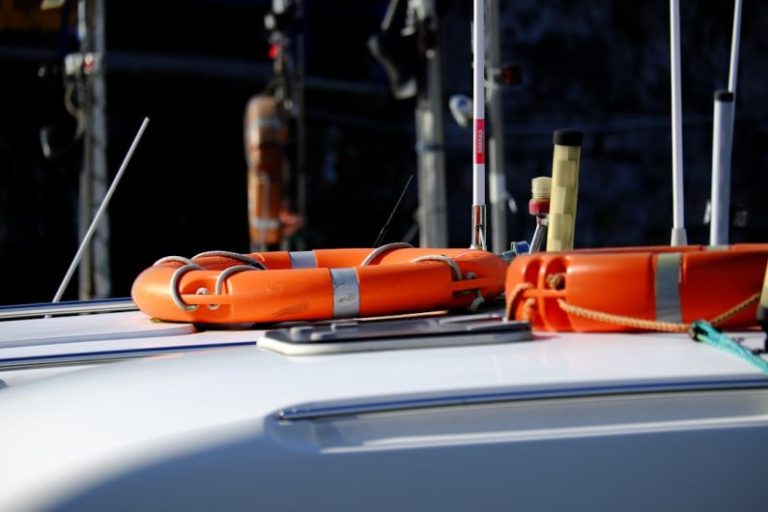
A skipper shoulders a multitude of responsibilities that extend beyond merely steering the boat. One of the primary responsibilities is the safety of everyone on board. This includes ensuring that all safety protocols are in place, such as life jackets and emergency equipment. The skipper must also be well-versed in navigation, chart reading, and weather patterns to make informed decisions while at sea. Additionally, maintaining the boat in optimal condition and overseeing any repairs or maintenance tasks falls under the skipper’s purview.
Effective Communication
Communication is key in any successful voyage, and a skipper must excel in this area. Clear and concise communication with the crew is essential for ensuring that everyone is aware of their roles and responsibilities. Whether it’s issuing commands during maneuvers or providing updates on the weather conditions, effective communication is crucial for a smooth sailing experience.
Decision-Making Under Pressure
In the unpredictable realm of the open waters, a skipper must be adept at making quick and sound decisions under pressure. From navigating through challenging weather conditions to handling emergencies, the ability to stay calm and think rationally is a hallmark of a skilled skipper. Decisiveness coupled with a strategic mindset can mean the difference between a successful voyage and a potential disaster.
Leadership and Team Management
As the leader of the crew, a skipper must possess strong leadership skills to inspire confidence and unity among team members. Effective team management involves delegating tasks, resolving conflicts, and fostering a positive and cohesive working environment on board. A skipper’s ability to motivate and support the crew during long passages or challenging situations is crucial for maintaining morale and ensuring a harmonious voyage.
Technical Proficiency
A skipper must have a comprehensive understanding of the technical aspects of sailing and boat handling. This includes proficiency in navigation systems, engine maintenance, sail trim, and maneuvering techniques. A skilled skipper is capable of adapting to various sailing conditions and utilizing the boat’s capabilities to their fullest potential. Technical proficiency not only enhances safety but also contributes to the overall efficiency and success of the voyage.
Crisis Management
In times of crisis, a skipper must be prepared to take charge and navigate the crew through challenging situations. Whether it’s a medical emergency, equipment failure, or adverse weather conditions, the ability to remain composed and implement effective crisis management strategies is paramount. A skipper’s quick thinking and resourcefulness can mean the difference between a minor setback and a major catastrophe.
Adaptability and Resourcefulness
The open waters can present a myriad of challenges, and a skipper must possess a high degree of adaptability and resourcefulness. From changing weather patterns to unexpected obstacles, the ability to think on your feet and find creative solutions is essential. A resourceful skipper can make the most out of limited resources, navigate through unfamiliar waters, and overcome unforeseen challenges with confidence and composure.
The Importance of Continuous Learning
A skilled skipper understands the value of continuous learning and improvement. Staying updated on the latest advancements in sailing technology, honing navigational skills, and seeking opportunities for further training and certification are crucial for professional growth. By remaining curious, open-minded, and dedicated to self-improvement, a skipper can enhance their competence and expertise in navigating the seas.
In Conclusion: The Art of Seamanship
The role of a skipper is a multifaceted one that demands a unique blend of skills, knowledge, and personal attributes. From ensuring the safety of the crew to making critical decisions under pressure, a skipper’s responsibilities are vast and varied. By embodying effective communication, strong leadership, technical proficiency, crisis management, adaptability, and a commitment to continuous learning, a skipper masters the art of seamanship and steers their crew towards successful voyages on the open waters.