The History of Navigation: from Stars to Satellites
Navigation, the art of finding one’s way from one point to another, has evolved significantly throughout human history. From ancient civilizations using stars to guide their journeys to the modern-day reliance on satellites for accurate positioning, the methods and tools of navigation have seen remarkable advancements over the centuries.
The Early Beginnings: Navigating by Stars and Seas
In the early days of human exploration, navigating vast oceans and uncharted territories was a daunting task. Ancient civilizations such as the Greeks, Phoenicians, and Polynesians relied on the stars to guide their way. By observing the positions of stars in the night sky, early navigators were able to determine their direction and approximate location. The invention of tools like the astrolabe and sextant further enhanced their ability to navigate by the stars, allowing for more precise calculations of latitude and longitude.
The Age of Exploration: Mapping the World
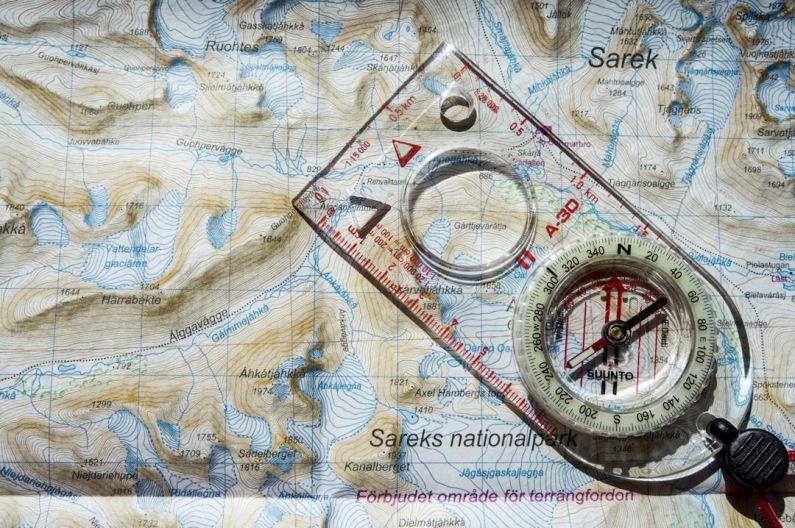
The Age of Exploration in the 15th and 16th centuries marked a significant turning point in the history of navigation. Explorers like Christopher Columbus, Vasco da Gama, and Ferdinand Magellan set sail to discover new trade routes and territories. These daring voyages led to the mapping of the world and the development of more sophisticated navigation techniques. The use of magnetic compasses and improved navigational charts revolutionized sea travel, enabling sailors to venture further than ever before.
The Industrial Revolution: Nautical Instruments and Chronometers
The Industrial Revolution brought about further advancements in navigation with the invention of new nautical instruments and timekeeping devices. The development of chronometers, accurate timepieces that could withstand the rigors of sea travel, revolutionized navigation by allowing sailors to determine their longitude with greater precision. Alongside the sextant and compass, these instruments became essential tools for navigating the world’s oceans.
The Modern Era: From Radio Navigation to Satellites
The 20th century saw the emergence of new technologies that transformed the field of navigation. Radio navigation systems like Loran and Decca provided ships and aircraft with accurate positioning information based on radio signals. These systems greatly improved navigation accuracy, especially in poor weather conditions or over long distances. However, it was the advent of satellite navigation that truly revolutionized the way we navigate today.
Global Positioning System (GPS): The Backbone of Modern Navigation
The Global Positioning System, or GPS, is a network of satellites that orbit the Earth, transmitting precise timing and positioning data to GPS receivers on the ground. Developed by the United States Department of Defense, GPS has become the backbone of modern navigation, used in a wide range of applications from aviation and maritime navigation to car navigation systems and mobile phones. With its ability to provide accurate positioning information anywhere on Earth, GPS has transformed how we navigate in our daily lives.
The Future of Navigation: Beyond GPS
While GPS remains the predominant navigation system used today, researchers and engineers are already looking towards the future of navigation. Technologies like Galileo (the European Union’s satellite navigation system) and BeiDou (China’s navigation system) are expanding the capabilities of satellite navigation, offering greater accuracy and coverage. Additionally, advancements in artificial intelligence and autonomous navigation systems are paving the way for a future where vehicles and devices can navigate with even greater precision and efficiency.
Navigating the Future: Embracing Technology and Innovation
As we look towards the future, it is clear that the history of navigation is one of constant evolution and innovation. From the ancient mariners who relied on the stars to guide their way to the modern-day reliance on satellites and advanced technology, the art of navigation continues to push the boundaries of what is possible. By embracing new technologies and fostering innovation, we can ensure that the next chapter in the history of navigation is one of continued progress and discovery.