Understanding Ocean Currents and How They Affect Sailing
Ocean currents play a significant role in shaping the world’s oceans and have a profound impact on various aspects of maritime activities, including sailing. Understanding these currents is crucial for sailors as it can greatly influence their routes, speed, and overall sailing experience. In this article, we will delve into the intricacies of ocean currents and explore how they affect sailing.
**The Basics of Ocean Currents**
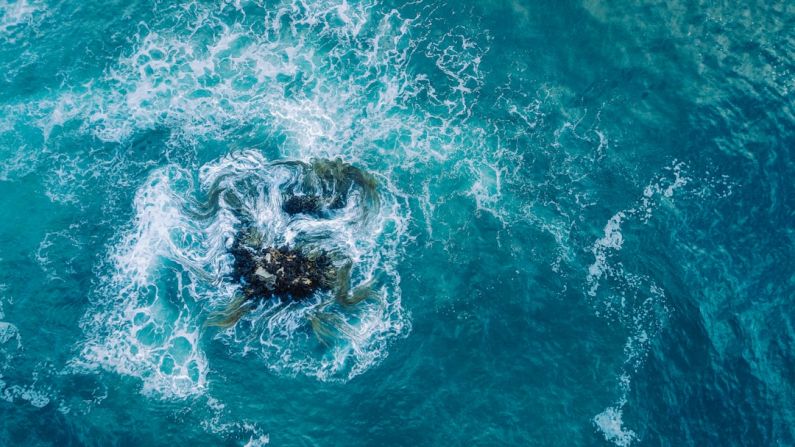
Ocean currents are continuous, directed movements of seawater generated by a combination of factors such as wind, temperature, salinity, the Earth’s rotation, and the shape of the ocean basins. These currents flow in both surface and deep waters, circulating vast amounts of water around the globe. There are two main types of ocean currents: surface currents and deep-sea currents.
**Surface Currents and Their Impact on Sailing**
Surface currents are driven primarily by the wind and the Earth’s rotation. These currents are generally faster and more visible than deep-sea currents, making them particularly relevant to sailors. Surface currents can either aid or hinder a sailing vessel, depending on their direction and speed. When sailing with a favorable current, sailors can experience increased speed and efficiency, reducing travel time and fuel consumption. However, sailing against a strong current can pose challenges, requiring more effort and fuel to maintain course and speed.
**Navigating with Ocean Currents**
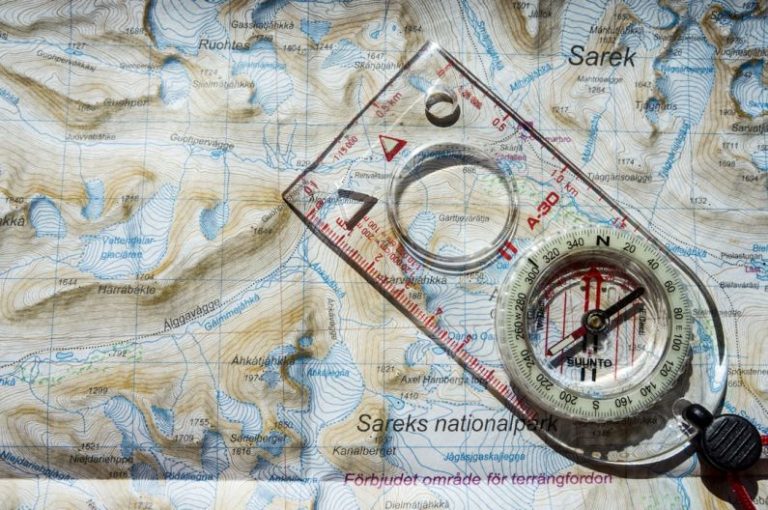
For sailors, understanding ocean currents is essential for effective navigation and route planning. By harnessing the power of favorable currents, sailors can optimize their routes to take advantage of natural propulsion, saving both time and resources. Mapping out the patterns of ocean currents in advance allows sailors to plot their courses strategically, avoiding areas of strong opposing currents that could impede their progress.
**Impact of Ocean Currents on Speed and Efficiency**
The speed and efficiency of a sailing vessel are closely linked to ocean currents. Sailing with a favorable current can significantly boost a vessel’s speed, allowing sailors to cover more distance in less time. Conversely, sailing against a strong current can slow down the vessel, requiring additional effort and fuel to maintain speed. By leveraging their knowledge of ocean currents, sailors can make informed decisions to optimize their speed and efficiency while minimizing unnecessary detours and delays.
**Safety Considerations for Sailors**
While ocean currents can offer benefits to sailors, they also present certain risks that need to be carefully considered. Strong currents can create challenging sailing conditions, especially when combined with adverse weather patterns. Sailors must exercise caution when navigating areas known for powerful currents, as these can affect the stability and control of their vessels. Understanding the dynamics of ocean currents and staying informed about current conditions are essential for ensuring the safety of both the crew and the vessel.
**Adapting to Changing Conditions**
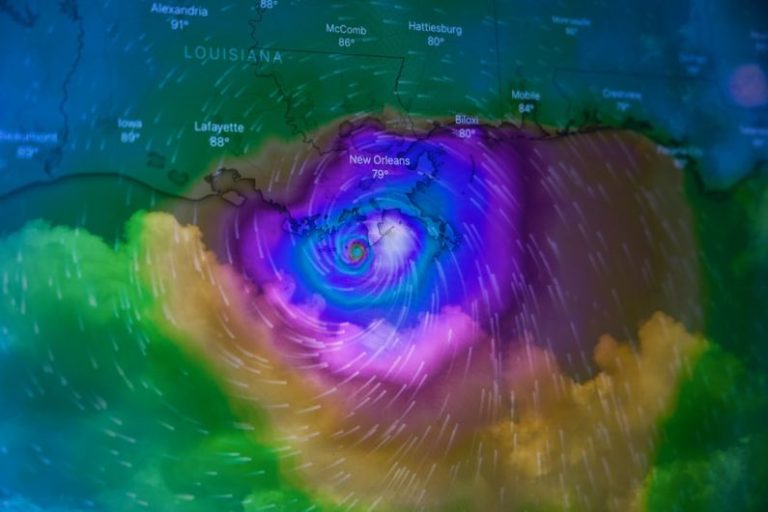
Ocean currents are dynamic and can vary significantly depending on factors such as season, weather, and geographical location. Sailors must be prepared to adapt to changing current conditions, adjusting their routes and sailing strategies accordingly. Monitoring weather forecasts, consulting navigational charts, and staying in tune with local knowledge can help sailors anticipate and respond effectively to shifts in ocean currents, ensuring a smooth and successful sailing experience.
**Conclusion: Mastering the Art of Sailing with Ocean Currents**
In conclusion, ocean currents play a crucial role in shaping the sailing experience, influencing everything from speed and efficiency to route planning and safety considerations. By understanding the basics of ocean currents, sailors can harness the power of these natural phenomena to enhance their sailing adventures. Navigating with ocean currents requires skill, knowledge, and adaptability, but the rewards of a smooth and efficient sailing journey are well worth the effort. So next time you set sail, remember to take into account the influence of ocean currents and use them to your advantage on the open seas.