The Different Types of Sailboats and Their Uses
Sailing is a thrilling and rewarding activity that has been enjoyed for centuries. The type of sailboat you choose can greatly impact your sailing experience, as different sailboats are designed for various purposes and conditions. Whether you are a beginner or an experienced sailor, understanding the different types of sailboats and their uses is essential for making the most of your time on the water.
Sloop: The Most Common Sailboat Design
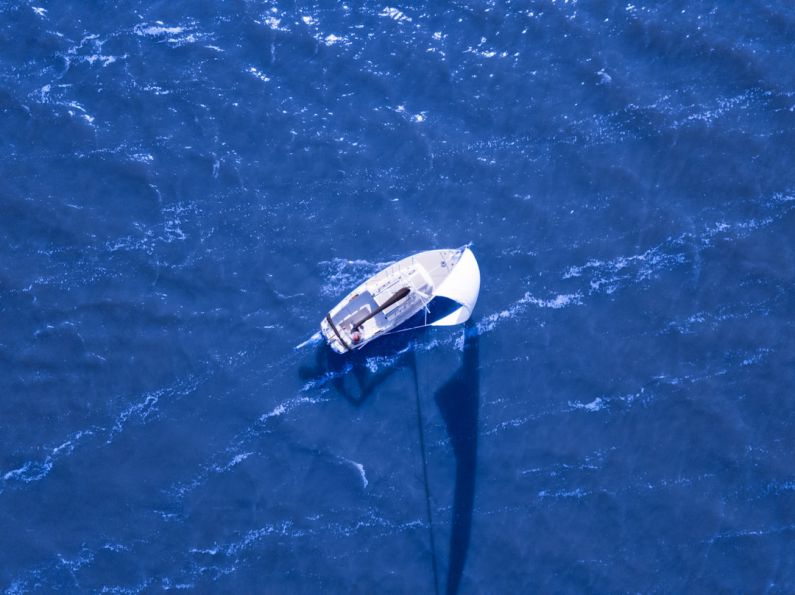
The sloop is one of the most common types of sailboats and is popular among recreational sailors. It is characterized by a single mast with two sails: a mainsail and a jib. The sloop is versatile and easy to handle, making it a great choice for beginners and experienced sailors alike. It is well-suited for cruising, racing, and day sailing.
Cutter: Ideal for Long-Distance Cruising
The cutter is a sailboat with multiple sails and two or more masts. It typically has a mainsail, a headsail, and one or more additional sails. Cutters are known for their stability and are ideal for long-distance cruising. The multiple sails allow for better control in varying wind conditions, making them a popular choice for offshore sailing.
Ketch: Great for Sailing in a Variety of Conditions
The ketch is a sailboat with two masts: a main mast and a shorter mizzen mast located aft of the main mast. Ketches are known for their versatility and are great for sailing in a variety of conditions. The two masts allow for different sail combinations, making it easier to adjust to changing wind conditions. Ketches are popular among cruisers and are well-suited for long-distance sailing.
Yawl: Versatile and Easy to Handle
The yawl is similar to a ketch but has a shorter mizzen mast located further aft. Yawls are versatile and easy to handle, making them a popular choice for single-handed sailing. The smaller size of the mizzen mast allows for a more balanced sail plan, making the yawl easier to maneuver in tight spaces. Yawls are great for cruising and day sailing.
Catamaran: Stable and Fast
Catamarans are sailboats with two hulls connected by a deck or trampoline. They are known for their stability and speed, making them a popular choice for racing and cruising in coastal waters. Catamarans have a shallow draft, allowing them to sail in shallow waters where monohull sailboats cannot go. They are also spacious and offer more living space than traditional monohull sailboats.
Trimaran: Fast and Efficient
Trimarans are sailboats with three hulls: a main hull and two smaller outrigger hulls. They are known for their speed and efficiency, making them a popular choice for racing and cruising. Trimarans are stable and can reach high speeds, making them a thrilling choice for experienced sailors. They are also spacious and offer ample living space for cruising.
Conclusion: Choosing the Right Sailboat for Your Needs
When it comes to choosing the right sailboat for your needs, it is important to consider the type of sailing you plan to do and your level of experience. Each type of sailboat has its own advantages and is designed for specific purposes. Whether you prefer cruising, racing, or day sailing, there is a sailboat that is perfect for you. By understanding the different types of sailboats and their uses, you can make an informed decision and enjoy many memorable moments on the water.