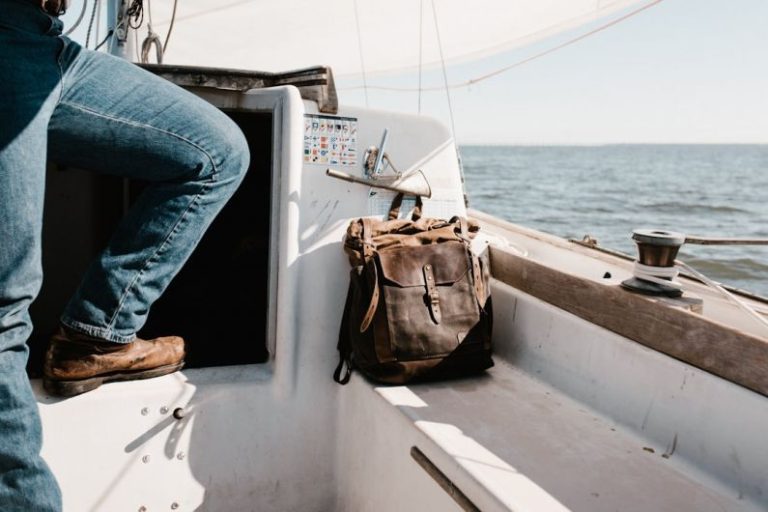

Sailing Fitness: How to Physically Prepare for a Sea Journey
Embarking on a sea journey can be an exhilarating experience, but it also requires physical preparation to ensure you are ready to face the challenges that come with life at sea. Whether you are a seasoned sailor or a novice setting sail for the first time, prioritizing your fitness will not only enhance your performance but also contribute to a safer and more enjoyable voyage. From building strength to improving endurance, here are some key aspects to consider when preparing yourself physically for a sailing adventure.
Understanding the Physical Demands of Sailing
Sailing is a physically demanding activity that engages various muscle groups and requires a combination of strength, flexibility, and endurance. Maneuvering sails, navigating rough waters, and maintaining balance on a moving vessel all demand a certain level of physical fitness. To fully enjoy your sea journey and avoid injuries, it is essential to prepare your body for the challenges ahead.
Building Core Strength
One of the most critical aspects of sailing fitness is having a strong core. Your core muscles, including your abdominals, obliques, and lower back muscles, play a crucial role in maintaining stability and balance on a rocking boat. To strengthen your core, incorporate exercises such as planks, Russian twists, and leg raises into your workout routine. A strong core will not only help you stay upright on the deck but also improve your overall posture and reduce the risk of back injuries.
Improving Cardiovascular Endurance
Sailing often involves long hours of physical activity, such as hoisting sails, steering the boat, and performing various tasks on deck. To keep up with the demands of sailing, it is essential to have good cardiovascular endurance. Engaging in activities like running, cycling, or swimming can help improve your heart and lung health, allowing you to sustain prolonged periods of physical exertion while at sea. Incorporating high-intensity interval training (HIIT) into your fitness regimen can also boost your endurance and help you handle the rigors of sailing more effectively.
Enhancing Balance and Coordination
Maintaining balance on a moving boat is a skill that requires practice and good coordination. To enhance your balance and coordination, consider incorporating exercises that challenge your stability, such as single-leg squats, Bosu ball exercises, and yoga poses that focus on balance. By improving your proprioception and spatial awareness, you will be better equipped to navigate the deck and handle the unpredictable movements of the sea.
Preventing Seasickness
Seasickness is a common concern for many sailors, especially those new to sailing or prone to motion sickness. While physical fitness alone may not completely eliminate seasickness, staying in good shape can help reduce its impact. Avoiding heavy meals before sailing, staying hydrated, and focusing on the horizon can all help alleviate symptoms. Engaging in relaxation techniques such as deep breathing or meditation can also help calm your mind and body during rough seas.
Nutrition and Hydration
In addition to physical fitness, maintaining a healthy diet and staying hydrated are essential components of preparing for a sea journey. Proper nutrition provides your body with the energy and nutrients it needs to perform at its best, while adequate hydration is crucial for staying alert and focused while at sea. Pack nutrient-dense snacks, such as nuts, fruits, and energy bars, to fuel your body during long stretches on the water. Avoiding excessive caffeine and alcohol consumption can also help prevent dehydration and seasickness.
Preparing Mentally for the Journey
In addition to physical preparation, mental readiness is equally important when embarking on a sea journey. Sailing can be unpredictable and challenging, requiring you to stay focused and resilient in the face of adversity. Practice mindfulness techniques, such as visualization and positive self-talk, to stay calm and centered during stressful situations. Building a strong support network and communicating openly with your crew can also help foster a positive and cohesive atmosphere on board.
Conclusion: Setting Sail with Confidence
Preparing yourself physically for a sea journey is a crucial step in ensuring a safe and enjoyable sailing experience. By focusing on building core strength, improving cardiovascular endurance, enhancing balance and coordination, and prioritizing nutrition and hydration, you can set sail with confidence and tackle whatever challenges the sea may bring. Remember that sailing is not just a physical activity but also a mental and emotional journey, so stay positive, stay prepared, and embrace the adventure that awaits you on the open water.