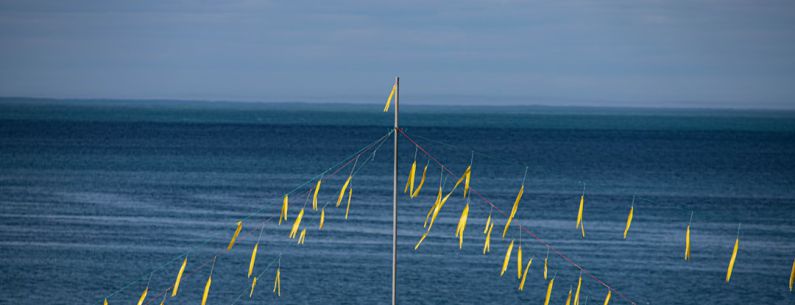
Key Signals and Symbols Used in Nautical Communication
Nautical communication is a critical aspect of maritime operations, allowing sailors and vessels to convey important information effectively and efficiently. Key signals and symbols play a vital role in this form of communication, providing a universal language that transcends linguistic barriers. Understanding these signals and symbols is essential for ensuring safe navigation and seamless coordination at sea.
Signal Flags
Signal flags are a fundamental component of nautical communication, with each flag representing a specific letter of the alphabet or a numeric value. By hoisting different combinations of flags, sailors can spell out messages or convey important information to other vessels or shore stations. The International Code of Signals governs the use of signal flags and provides a standardized system for communication at sea. From simple messages like “I am altering my course to starboard” to more complex communications, signal flags are a versatile tool for maritime communication.
Semaphore
Semaphore is a visual signaling system that involves using flags or lights to convey messages over a distance. Semaphore flags are held in specific positions to represent different letters or symbols, allowing sailors to communicate effectively without the need for verbal exchanges. Semaphore is particularly useful in situations where radio communication is not possible or when a visual signal is the most efficient way to convey a message. By mastering the semaphore system, sailors can ensure clear and precise communication even in challenging maritime conditions.
Navigation Lights
Navigation lights are essential signals used to indicate the status, position, and direction of a vessel to other ships at sea. These lights follow international regulations outlined in the International Regulations for Preventing Collisions at Sea (COLREGs) to ensure consistency and clarity in nautical communication. By understanding the meaning of different navigation lights, sailors can interpret the intentions of other vessels and take appropriate action to avoid collisions or misunderstandings. From red and green sidelights to white masthead lights, navigation lights provide vital information for safe navigation in low visibility conditions.
Sound Signals
Sound signals are another crucial aspect of nautical communication, especially in situations where visibility is limited or when vessels are operating in close proximity to each other. The International Regulations for Preventing Collisions at Sea outline specific sound signals that vessels should use to indicate their intentions or warn other ships of potential dangers. From short blasts to prolonged signals, sound signals convey important information that helps prevent accidents and ensures safe navigation in busy waterways. By familiarizing themselves with the various sound signals required by international regulations, sailors can enhance their communication skills and promote maritime safety.
Radio Communication
Radio communication has revolutionized nautical communication, allowing sailors to connect with shore stations, other vessels, and emergency services around the clock. VHF radios are commonly used in maritime operations due to their reliability, range, and clarity of communication. By following established radio protocols and using standard phrases, sailors can ensure effective communication and avoid misunderstandings on the airwaves. Radio communication is a lifeline for vessels at sea, providing a means to request assistance, relay important information, and stay connected with the maritime community.
In Summary
Nautical communication relies on a diverse array of signals and symbols to facilitate seamless interaction between vessels and shore stations. From signal flags and semaphore to navigation lights and sound signals, each form of communication plays a unique role in enhancing safety and efficiency at sea. By understanding and mastering these key signals and symbols, sailors can navigate the waters with confidence, ensuring clear communication and effective coordination in all maritime situations.