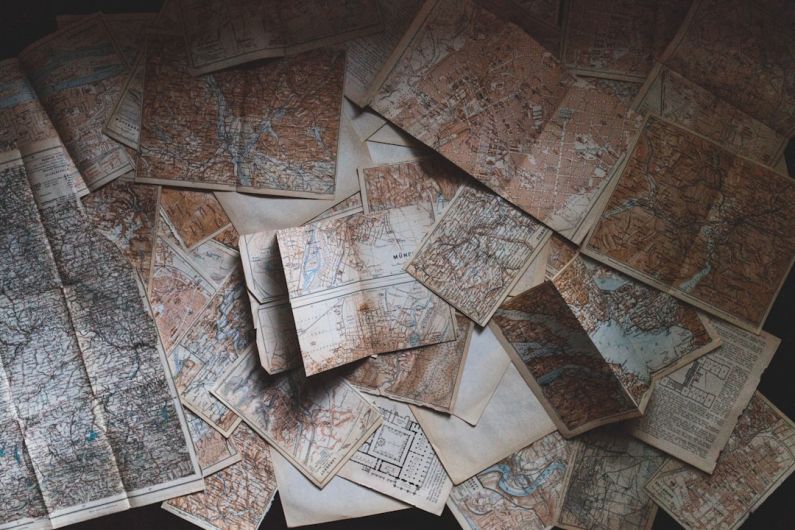
Rediscovering Ancient Maritime Routes
In the heart of human history lie the ancient maritime routes that once connected civilizations across vast oceans. These trade routes were the lifelines of commerce, culture, and exchange, shaping the world as we know it today. Rediscovering these ancient maritime routes is not just a journey into the past but a gateway to understanding our shared history and the interconnectedness of humanity.
Uncovering the Silk Road of the Sea
The Silk Road, the ancient overland trade route that connected the East and the West, is well-known. However, its maritime counterpart, the Maritime Silk Road, is often overshadowed. This maritime route was a network of sea routes that linked China, Southeast Asia, the Indian subcontinent, the Arabian Peninsula, East Africa, and Europe. It facilitated the exchange of goods, ideas, and cultures between distant lands, creating a tapestry of diversity and mutual influence.
The Maritime Silk Road was not a single route but a web of interconnected sea lanes that spanned thousands of miles. From the bustling ports of Guangzhou in China to the spice markets of Calicut in India, from the trading hubs of Jeddah in Saudi Arabia to the cosmopolitan cities of Venice in Italy, this maritime network shaped the economies and societies of the regions it touched. Goods such as silk, spices, porcelain, and precious metals traversed these routes, enriching both the traders and the lands they visited.
Reviving the Ancient Route through Modern Technology
In recent years, there has been a renewed interest in reviving and exploring the ancient maritime routes. With advancements in technology and transportation, researchers, historians, and adventurers are embarking on expeditions to trace the paths of these ancient voyages. Using satellite imagery, underwater archaeology, and historical records, they are piecing together the puzzle of the Maritime Silk Road and shedding new light on its significance.
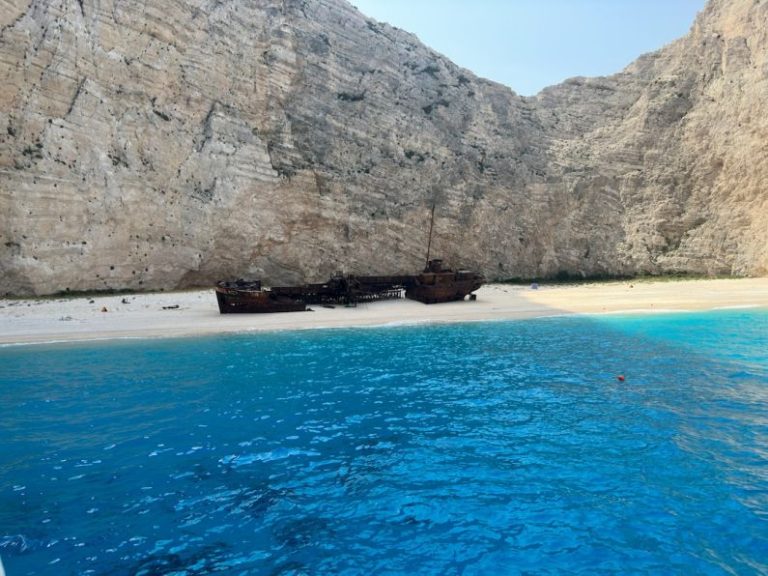
One such expedition is the search for the lost ships of the Spice Route, a maritime network that connected the Mediterranean world to the Indian Ocean and beyond. In 2015, a team of archaeologists discovered a 1,000-year-old shipwreck off the coast of Indonesia, laden with Chinese ceramics and other artifacts. This discovery not only provided valuable insights into ancient trade practices but also highlighted the importance of maritime archaeology in uncovering our shared heritage.
Exploring Cultural Exchange and Mutual Influence
The ancient maritime routes were not just conduits for trade but also avenues for cultural exchange and mutual influence. As ships sailed across the seas, they carried not only goods but also ideas, beliefs, and traditions. The blending of cultures along these routes gave rise to new languages, religions, art forms, and culinary traditions that continue to shape our world today.
One of the most enduring legacies of the Maritime Silk Road is the spread of Buddhism from India to East Asia. Buddhist monks and traders traveled along these sea routes, carrying scriptures, teachings, and iconography with them. The fusion of Buddhist philosophy with local beliefs in countries like China, Japan, and Korea led to the development of distinct schools of Buddhism that still thrive in these regions.
Navigating the Future through the Lens of the Past
As we rediscover the ancient maritime routes, we are confronted with the challenges and opportunities of the modern world. Climate change, geopolitical tensions, and economic shifts pose threats to the free flow of goods and ideas that characterized the ancient trade networks. However, by learning from the past and embracing the spirit of cooperation and exchange that defined the Maritime Silk Road, we can chart a course towards a more interconnected and sustainable future.
Conclusion: Charting a Course for Global Connectivity
The ancient maritime routes remind us of our shared history and the interconnectedness of human civilization. By rediscovering and exploring these routes, we can gain a deeper appreciation for the diversity and richness of our world. As we navigate the challenges of the present and shape the future, let us draw inspiration from the traders, sailors, and explorers who once sailed the seas in search of new horizons. In embracing our shared heritage and fostering mutual understanding, we can chart a course for global connectivity and unity.