Preserving Marine Life: Responsible Boating Practices
The world’s oceans are vast and majestic, home to a myriad of marine life that captivates us with its beauty and diversity. As boaters, it is our responsibility to ensure that we engage in practices that protect and preserve these precious ecosystems. By adopting responsible boating practices, we can minimize our impact on marine life and contribute to the conservation of our oceans for future generations.
Respecting No-Wake Zones
No-wake zones are designated areas where boaters are required to operate at a reduced speed to minimize the disturbance to marine life and habitats. It is crucial to adhere to these regulations to prevent erosion of shorelines, protect nesting birds, and reduce the risk of colliding with marine animals such as manatees and sea turtles. By slowing down in these areas, boaters can help maintain the delicate balance of these ecosystems and show respect for the wildlife that inhabits them.
Proper Disposal of Waste
One of the most significant threats to marine life is pollution, particularly from improper disposal of waste. Boaters must ensure that all trash, including plastics, fishing lines, and other debris, is properly disposed of in designated receptacles or brought back to shore for disposal. By preventing litter from entering the water, boaters can help reduce the risk of entanglement and ingestion by marine animals, ultimately safeguarding their habitats and well-being.
Mindful Anchoring Practices
Anchoring in sensitive marine habitats, such as coral reefs and seagrass beds, can cause irreparable damage to these ecosystems. Boaters should be mindful of where they drop anchor, choosing sandy or rocky areas whenever possible to avoid disturbing fragile marine life. Utilizing anchorages with mooring buoys or established anchoring zones can help protect these vulnerable habitats and prevent destruction of essential marine ecosystems.
Wildlife Viewing Etiquette
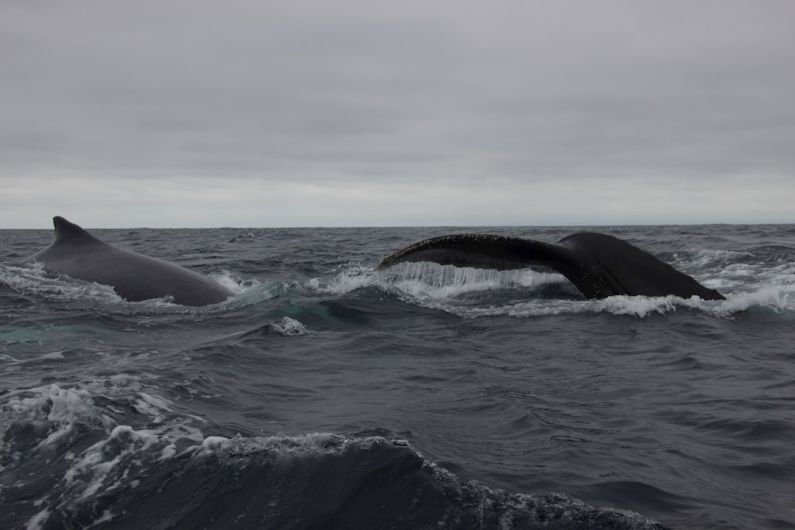
Encountering marine wildlife while boating is a thrilling experience, but it is essential to observe these creatures from a safe distance to avoid causing stress or harm. Boaters should never approach wildlife too closely, feed them, or attempt to touch them, as this can disrupt their natural behaviors and lead to negative consequences for their health and well-being. By practicing respectful wildlife viewing etiquette, boaters can enjoy these encounters responsibly while ensuring the safety and welfare of the animals they encounter.
Oil and Fuel Spill Prevention
Spills of oil and fuel can have devastating effects on marine life, contaminating water, harming marine animals, and damaging fragile habitats. Boaters must take precautions to prevent spills by properly maintaining their vessels, monitoring for leaks, and using spill containment materials such as absorbent pads or booms. In the event of a spill, boaters should act quickly to contain and clean up the spill to minimize its impact on the marine environment and prevent further harm to marine life.
Sustainable Fishing Practices
For many boaters, fishing is a popular activity enjoyed out on the water. However, it is essential to practice sustainable fishing techniques to prevent overfishing and protect vulnerable fish populations. Boaters should familiarize themselves with local fishing regulations, adhere to catch limits, and release undersized or protected species unharmed. By fishing responsibly, boaters can help maintain healthy fish populations and ensure the long-term sustainability of marine ecosystems.
Conclusion: A Call to Action
Preserving marine life is a collective responsibility that requires the cooperation and commitment of boaters around the world. By adopting responsible boating practices, we can play a vital role in protecting the oceans and the incredible diversity of marine life they support. Let us all strive to be stewards of the sea, embracing practices that minimize our impact and promote the health and well-being of marine ecosystems for generations to come. Together, we can make a difference and ensure a brighter future for our oceans and the creatures that call them home.