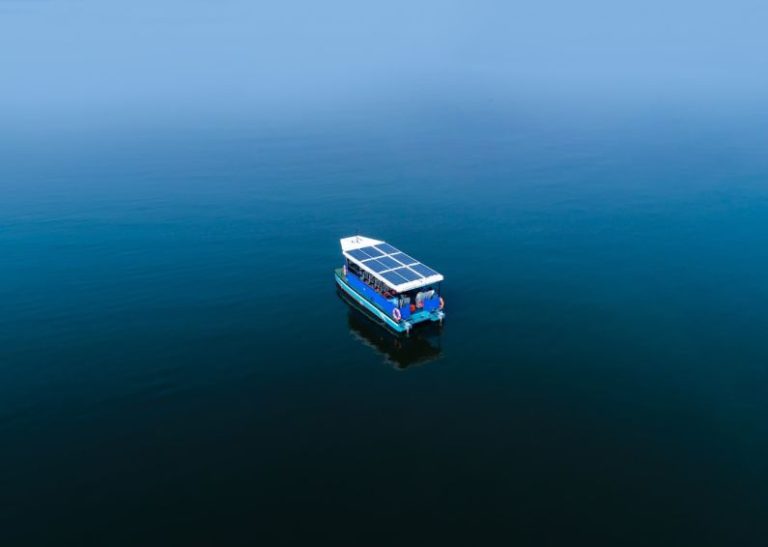

The Science behind Tides and Their Impact on Boating
**The Science behind Tides and Their Impact on Boating**
The ebb and flow of tides have long fascinated and intrigued sailors, boaters, and scientists alike. Understanding the science behind tides is crucial for those navigating the waters, as tides play a significant role in determining the safety and efficiency of boating activities. In this article, we delve into the intricate mechanisms that drive tides and explore their profound impact on boating experiences.
**The Gravitational Dance of the Moon and Sun**
At the heart of tidal phenomena lie the gravitational forces exerted by the Moon and the Sun on Earth. The gravitational pull of these celestial bodies creates bulges of water on opposite sides of the Earth, resulting in high tides where the water is pushed towards the shore and low tides where the water recedes. The Moon, being closer to Earth, has a more pronounced effect on tides compared to the Sun. When the gravitational forces of the Moon and Sun align during a full or new moon, we experience higher high tides, known as spring tides. Conversely, when the gravitational forces are at right angles during the first or third quarter moon, we observe lower high tides, termed neap tides.
**Navigating the Challenges of Tidal Currents**
Tidal currents, which are the horizontal movement of water caused by the rising and falling of tides, present significant challenges for boaters. Understanding the timing and strength of tidal currents is crucial for safely navigating waterways. In narrow channels or areas with strong tidal currents, boaters may experience increased difficulty controlling their vessels, requiring precise maneuvering to avoid collisions or running aground. Additionally, the interaction between tidal currents and wind patterns can further complicate boating conditions, leading to unexpected challenges for even the most experienced sailors.
**Utilizing Tides to Enhance Boating Experiences**
While tides may pose challenges for boaters, they can also be harnessed to enhance boating experiences. Some boaters strategically plan their voyages to take advantage of tidal currents, using them to gain speed or conserve fuel. For sailors, understanding the predictability of tides can be advantageous for planning races or optimizing routes to maximize efficiency. Furthermore, certain coastal areas are renowned for their tidal bore phenomena, where large waves are created by the incoming tide, offering a thrilling experience for surfers and kayakers seeking an adrenaline rush on the water.
**Safety Precautions and Best Practices**
To ensure safe and enjoyable boating experiences in tidal waters, boaters should take precautionary measures and adhere to best practices. Checking tide tables and understanding tidal predictions for the specific waterbody in which you plan to navigate is essential for avoiding unexpected changes in water levels. Boaters should also be aware of local regulations regarding tidal currents and be prepared to adjust their routes or schedules accordingly. Additionally, maintaining situational awareness and staying vigilant while on the water can help prevent accidents or mishaps caused by swift changes in tidal conditions.
**Embracing the Rhythms of the Tides**
In conclusion, the science behind tides offers a fascinating glimpse into the intricate interplay of celestial forces that shape our aquatic environments. For boaters, embracing the rhythms of the tides and harnessing their power can lead to unforgettable experiences on the water. By understanding the gravitational dance of the Moon and Sun, navigating the challenges of tidal currents, and utilizing tides to enhance boating adventures, sailors and boaters can embark on journeys that blend scientific curiosity with the thrill of exploration. So, next time you set sail, remember to ride the tides with respect and appreciation for the natural forces that govern our oceans.