
The Basics of Marine Electronics: What Every Sailor Should Know
Embarking on a sailing adventure can be an exhilarating experience, but ensuring that you have a good understanding of marine electronics is crucial for a safe and enjoyable journey. From navigation to communication, these technological tools play a vital role in modern-day sailing. Whether you are a seasoned sailor or a novice setting sail for the first time, knowing the basics of marine electronics is essential. Let’s dive into the fundamental aspects every sailor should be familiar with.
Understanding GPS Systems
Global Positioning System (GPS) technology has revolutionized navigation at sea. GPS systems use a network of satellites to determine your exact position on the water, providing real-time data on your location, speed, and heading. This information is invaluable for plotting courses, avoiding hazards, and reaching your destination safely. Familiarizing yourself with how to operate and interpret GPS data is a cornerstone of modern marine navigation.
Navigational Charts and Electronic Chartplotters
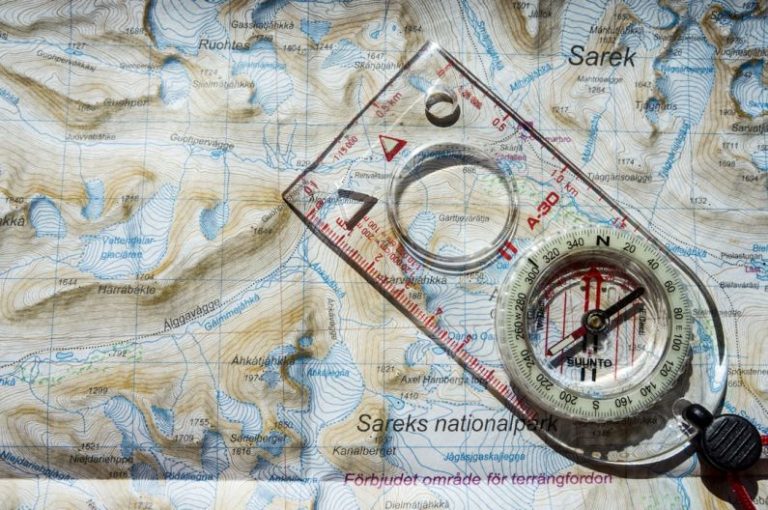
Navigational charts have long been a staple for sailors, providing detailed information about coastlines, depths, buoys, and other navigational aids. Today, electronic chartplotters have transformed the way we use these charts, offering interactive displays that overlay GPS data to create a comprehensive navigational tool. Learning how to read and interpret electronic charts is essential for effective route planning and navigating in unfamiliar waters.
Radar Technology
Radar technology is a powerful tool for enhancing situational awareness on the water. By emitting radio waves and detecting their reflections off objects, radar systems can identify nearby vessels, land masses, and weather systems, even in low visibility conditions. Understanding how to interpret radar displays and use this information to avoid collisions and navigate safely is a critical skill for any sailor.
VHF Radios and Communication Protocols
Communication is key in maritime operations, and Very High Frequency (VHF) radios are the primary means of communication at sea. VHF radios allow sailors to communicate with other vessels, harbormasters, and emergency services, providing a vital lifeline in case of emergencies. Familiarize yourself with proper VHF radio protocols, including distress signals, channel usage, and emergency procedures, to ensure effective communication while at sea.
Understanding AIS Technology
Automatic Identification System (AIS) technology has become a standard feature on many vessels, providing real-time information about nearby ships, their course, speed, and identification details. AIS transponders broadcast this information to other vessels and shore stations, enhancing situational awareness and collision avoidance capabilities. Knowing how to interpret AIS data and use it to make informed navigational decisions is essential for safe sailing.
Weather Forecasting Tools
Weather conditions can change rapidly at sea, making accurate weather forecasting tools essential for planning a safe voyage. From barometers and anemometers to advanced weather apps and satellite imagery, there are a variety of tools available to help sailors monitor and predict weather patterns. Understanding how to interpret weather data and make informed decisions based on forecasted conditions is crucial for avoiding dangerous situations while at sea.
Conclusion: Safeguarding Your Sailing Adventure
As you set out on your next sailing adventure, remember that a good understanding of marine electronics is your key to a safe and enjoyable journey. By mastering the basics of GPS systems, electronic chartplotters, radar technology, VHF radios, AIS technology, and weather forecasting tools, you can navigate with confidence and ensure the safety of your vessel and crew. Stay informed, stay prepared, and embrace the technological advancements that make modern-day sailing both exciting and secure. Happy sailing!