
Sailor Superstitions and Sea Legends
Sailing the vast and unpredictable oceans has always been accompanied by a rich tapestry of superstitions and legends among seafarers. These age-old beliefs have been passed down through generations, shaping the way sailors approach their voyages and interact with the elements. From lucky charms to eerie omens, the maritime world is steeped in folklore that continues to captivate our imagination to this day.
The Lore of the Sea
The sea has long been a mysterious and treacherous place, with sailors facing the unknown dangers of storms, shipwrecks, and the vast expanse of water stretching out before them. It is no wonder then that superstitions have taken root among those who make their living on the waves. These beliefs serve as a way to make sense of the unpredictable nature of the sea and to bring a sense of control and comfort to an otherwise perilous existence.
The Albatross Curse
One of the most famous sea legends is that of the albatross curse, popularized by Samuel Taylor Coleridge’s poem “The Rime of the Ancient Mariner.” According to this superstition, killing an albatross is said to bring bad luck to the entire ship and its crew. The albatross, known for its majestic wingspan and ability to navigate vast distances, is considered a symbol of good luck and protection at sea. To harm one is to invite disaster upon oneself and one’s fellow sailors, a warning that has been heeded by many throughout history.
Mermaids and Sirens
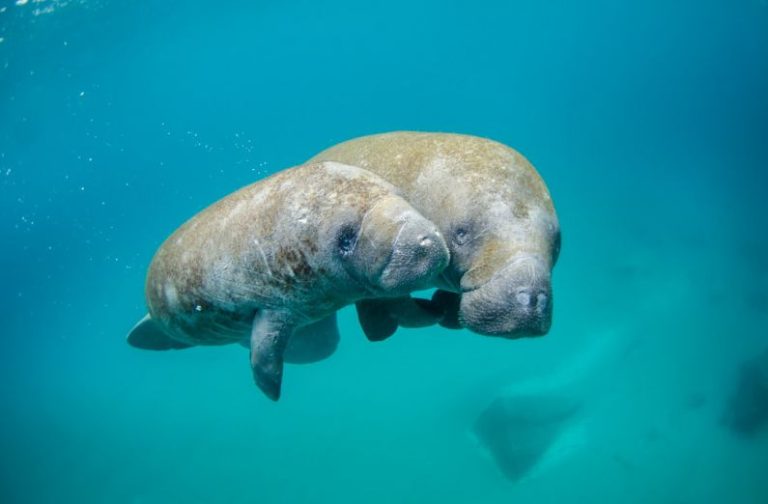
Mermaids and sirens have long held a place in maritime folklore, captivating sailors with their beauty and enchanting songs. These mythical creatures are said to lure sailors to their doom, leading ships astray with their irresistible voices. Despite the danger they pose, mermaids are also seen as omens of good luck and protection, with sightings of these sea maidens believed to bring fortune to those who catch a glimpse of them. The allure of mermaids and sirens continues to capture the imaginations of sailors and landlubbers alike, adding a touch of magic to the often harsh realities of life at sea.
The Unlucky Friday
Friday has long been considered an unlucky day for setting sail, with many sailors refusing to embark on a voyage on this particular day of the week. The superstition is said to have originated from the biblical belief that Friday was the day on which Eve tempted Adam with the forbidden fruit, leading to their expulsion from the Garden of Eden. This association with sin and misfortune has made Friday a day to be avoided by those who wish to ensure a safe and successful journey. While some modern sailors may scoff at the idea of Friday the 13th being an unlucky day, the tradition of avoiding setting sail on Fridays persists in many maritime communities around the world.
Navigating the Unknown
Superstitions and sea legends have been a part of maritime culture for centuries, shaping the way sailors approach their voyages and interact with the elements. While some may dismiss these beliefs as mere superstitions, they hold a powerful sway over those who make their living on the sea, providing a sense of comfort and control in the face of the unknown. Whether it be the albatross curse, mermaids and sirens, or the unlucky Friday, these age-old traditions continue to enrich the seafaring experience, reminding us of the enduring power of folklore and legend in our lives.