
Survival at Sea: Tips and Techniques
Picture this: you find yourself stranded in the vast expanse of the ocean, with nothing but water surrounding you in all directions. The thought alone is enough to send shivers down anyone’s spine. Surviving at sea is a daunting challenge that requires a unique set of skills and knowledge. In this article, we will explore some essential tips and techniques that can increase your chances of survival should you ever find yourself in such a situation.
Understanding the Elements
When faced with the harsh reality of being lost at sea, it is crucial to understand the elements that can affect your survival. The ocean is a dynamic and unpredictable environment, where weather conditions can change rapidly. Strong winds, heavy rain, and rough seas are just some of the challenges you may encounter. By being aware of these elements, you can better prepare yourself mentally and physically for what lies ahead.
Maintaining Calm and Focus
One of the most critical aspects of survival at sea is the ability to remain calm and focused. Panic can cloud your judgment and hinder your decision-making process. Take deep breaths, assess your situation, and prioritize your actions. By staying calm and collected, you can think more clearly and increase your chances of survival.
Signal for Help
In the event of an emergency at sea, signaling for help should be one of your top priorities. Flares, whistles, and mirrors are essential tools that can attract the attention of passing ships or aircraft. Create visible signals using any materials you have on hand, such as clothing or reflective objects. Conserving your energy is crucial, so use signaling devices wisely and only when necessary.
Seek Shelter and Stay Hydrated
Exposure to the elements can quickly lead to hypothermia or dehydration. If possible, seek shelter from the sun and wind to prevent further heat loss or sunburn. Constructing a makeshift shelter using materials like a tarp or sail can provide you with some protection. Remember to stay hydrated by rationing your water supply and avoiding salty seawater, as it can exacerbate dehydration.
Navigation and Orientation
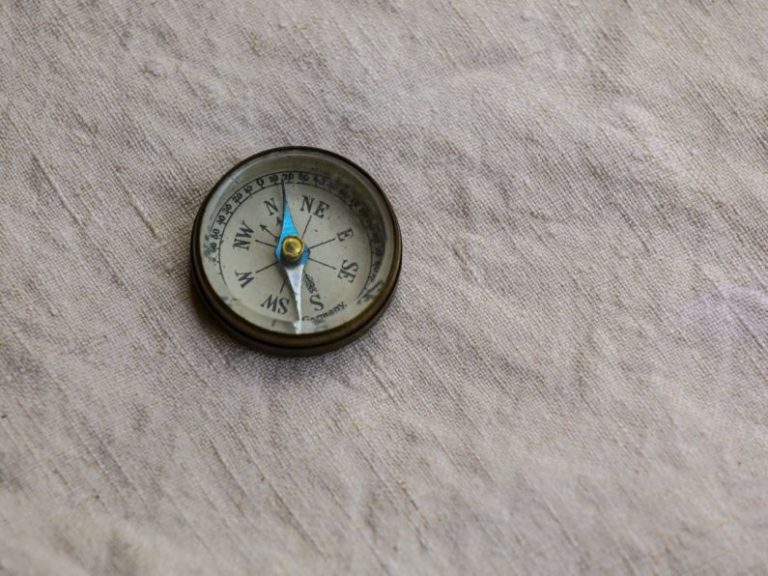
Maintaining a sense of direction at sea can be challenging, especially without any navigational equipment. Look for natural clues such as the position of the sun, moon, or stars to help you determine your heading. Pay attention to currents and wind patterns, as they can assist you in navigating towards potential land or shipping lanes.
Gather Food and Water
Finding a source of food and water is essential for your survival at sea. If you have access to a fishing kit or supplies, try to catch fish or other marine life to sustain yourself. Collect rainwater using a makeshift container or use a solar still to extract fresh water from seawater. Prioritize your energy expenditure by conserving it for activities that will benefit your survival.
Stay Visible and Await Rescue
In a survival situation at sea, visibility is key to increasing your chances of being rescued. Use brightly colored clothing or objects to make yourself more visible to search and rescue teams. Create large signals on the sand or rocks if you reach land, indicating your presence to passing aircraft or vessels. Stay vigilant and be prepared to attract attention when help is near.
Adaptability and Resourcefulness
Surviving at sea requires adaptability and resourcefulness in the face of adversity. Make use of any materials or equipment you have available to enhance your chances of survival. Improvise tools, shelters, and signaling devices using your creativity and ingenuity. Keep a positive mindset and believe in your ability to overcome the challenges that lie ahead.
In Conclusion: Facing the Unknown
Surviving at sea is a test of resilience, courage, and determination. By equipping yourself with the necessary skills and knowledge, you can increase your chances of making it through the toughest of situations. Remember to stay calm, focused, and proactive in your actions. The ocean may be vast and unforgiving, but with the right mindset and preparation, you can conquer its challenges and emerge victorious. Stay safe, stay strong, and never lose hope in the face of the unknown.