The Fundamentals of Underwater Navigation for Divers
Exploring the mesmerizing world beneath the surface of the ocean is a thrilling experience for divers. However, navigating underwater can pose challenges that are not present on land. Understanding the fundamentals of underwater navigation is crucial for divers to ensure their safety and enjoyment while exploring the depths. From mastering the use of a compass to employing natural cues, here are essential techniques and tips for effective underwater navigation.
**Mastering the Compass**
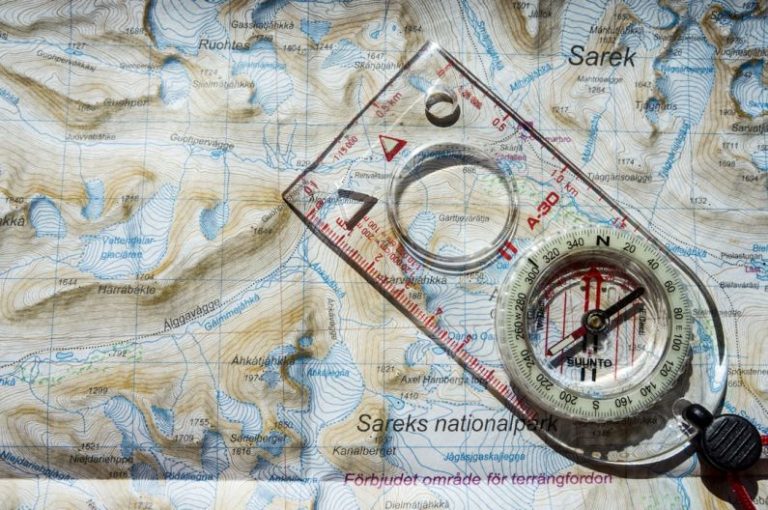
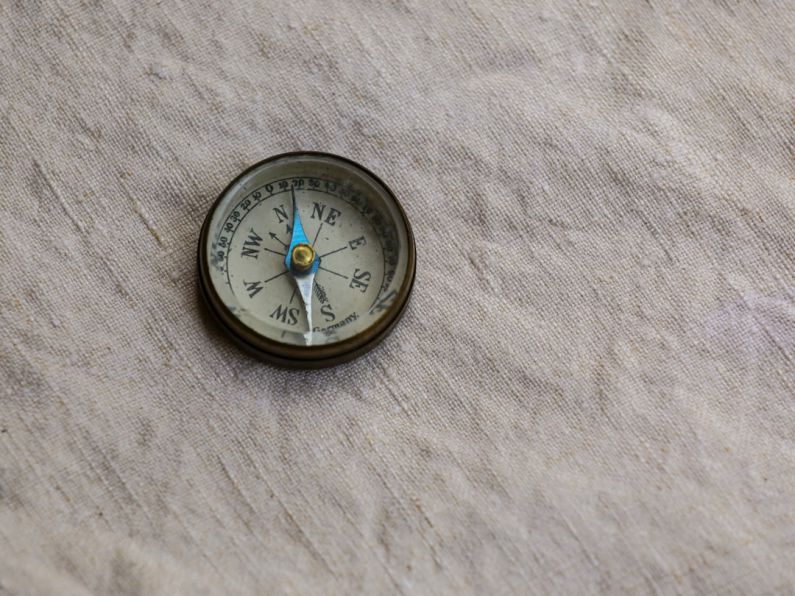
One of the key tools for underwater navigation is a compass. Divers rely on their compass to maintain their heading and direction while exploring the underwater environment. Before setting out on a dive, it is essential to familiarize yourself with your compass and understand how to use it effectively. Practice using the compass on land first to ensure you are comfortable with its operation before taking it underwater.
When using a compass underwater, it is important to hold it level and steady to get an accurate reading. Maintain a consistent heading and periodically check your compass to ensure you are on the right track. Remember that currents can affect your direction, so be prepared to make adjustments as needed. By mastering the use of a compass, divers can navigate with confidence and precision during their underwater adventures.
**Utilizing Natural Cues**
In addition to using a compass, divers can also rely on natural cues in the underwater environment to help navigate. Paying attention to features such as rock formations, coral reefs, and marine life can serve as landmarks to guide your way. By creating a mental map of these natural cues, divers can navigate effectively without solely relying on their compass.
Currents can also be used to your advantage when navigating underwater. By understanding how currents flow in a particular area, divers can strategically position themselves to drift in the desired direction. Utilizing currents can conserve energy and enhance the overall diving experience. However, it is important to always be aware of changing currents and adjust your navigation plan accordingly.
**Maintaining Awareness**
A crucial aspect of underwater navigation is maintaining situational awareness throughout the dive. This involves constantly monitoring your surroundings, depth, air supply, and dive time to ensure a safe and successful dive. By staying alert and observant, divers can avoid getting disoriented and navigate with confidence.
Communication with your dive buddy is also key to effective underwater navigation. Establishing clear signals and maintaining visual contact with your buddy can help prevent separation and facilitate coordination during the dive. Regularly checking in with your buddy and confirming your navigation plan can enhance safety and enjoyment while exploring underwater.
**Adapting to Challenging Conditions**
Underwater navigation can present challenges such as low visibility, strong currents, and unfamiliar terrain. In these situations, divers must adapt their navigation techniques to overcome obstacles and safely navigate to their intended destination. Utilizing advanced navigation methods, such as underwater mapping or using a reel and line, can be helpful in challenging conditions.
Remaining calm and focused is essential when facing challenging conditions underwater. Trust in your training and experience, and be prepared to make quick decisions to ensure your safety and the safety of your dive buddy. By staying flexible and adaptable, divers can navigate effectively in diverse underwater environments and enjoy a rewarding diving experience.
**Embracing the Adventure**
Underwater navigation is a fundamental skill that every diver should master to fully enjoy the underwater world. By understanding the principles of navigation, practicing with essential tools such as a compass, and utilizing natural cues, divers can navigate with confidence and precision. Remember to maintain situational awareness, communicate with your dive buddy, and adapt to challenging conditions to ensure a safe and successful dive. Embrace the adventure of underwater exploration, and let the fundamentals of navigation guide you on your underwater journeys.