How to Handle Boat Fires: Prevention and Response
Boating can be a thrilling and relaxing activity, providing a unique way to explore the open waters and enjoy the beauty of nature. However, like any other outdoor adventure, boating comes with its own set of risks and challenges. One of the most dangerous situations that can occur while out on the water is a boat fire. In this article, we will discuss how to prevent boat fires and how to effectively respond in case of an emergency.
**Understanding the Risks**
Before setting sail, it is crucial to understand the common causes of boat fires. The leading causes include electrical malfunctions, fuel leaks, engine overheating, and improper storage of flammable materials. It is essential to be vigilant and proactive in preventing these potential hazards to ensure a safe boating experience.
**Preventive Measures**
1. **Regular Maintenance**: Proper maintenance of your boat’s electrical system, engine, and fuel system is essential in preventing fires. Regularly inspecting and servicing these components can help identify and address any issues before they escalate.
2. **Safe Fueling Practices**: When refueling your boat, it is crucial to follow safe practices to prevent fuel leaks and spills. Make sure the engine is turned off, and all passengers are away from the refueling area. Avoid overfilling the tank and clean up any spills immediately.
3. **Proper Storage**: Store flammable materials such as fuel, propane, and cleaning products in designated areas away from potential sources of ignition. Ensure that these materials are stored securely and in compliance with safety regulations.
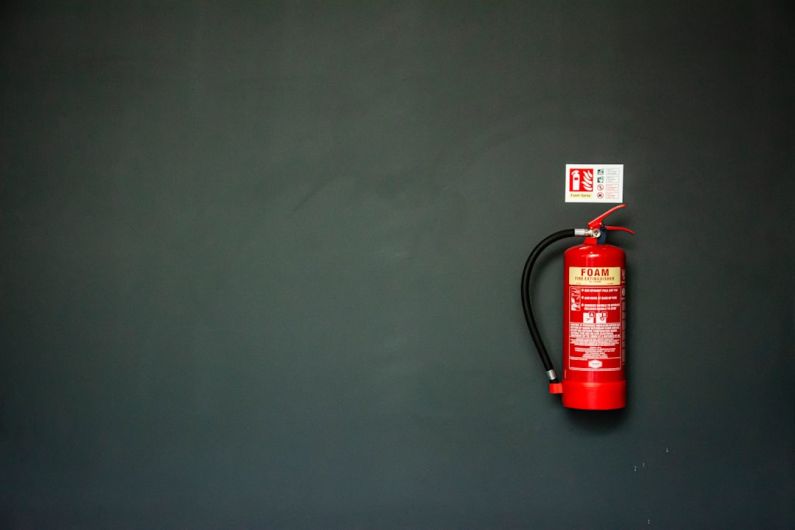
4. **Fire Extinguishers**: Every boat should be equipped with at least one Coast Guard-approved fire extinguisher. It is essential to know how to use the extinguisher properly and to keep it in an easily accessible location.
**Responding to a Boat Fire**
In the event of a boat fire, remaining calm and acting swiftly are crucial. Here are the steps to follow in case of a fire emergency:
**Assess the Situation**: If a fire breaks out, immediately assess the size and location of the fire. If the fire is small and can be safely extinguished, use a fire extinguisher to put it out. However, if the fire is large or spreading rapidly, prioritize the safety of all passengers and prepare to abandon the vessel.
**Alert Authorities**: Contact the nearest Coast Guard station or marine emergency services to report the fire and request assistance. Provide your location, the size of the fire, and the number of passengers on board.
**Evacuation Plan**: Have a clear evacuation plan in place in case abandoning the boat becomes necessary. Ensure that all passengers are wearing life jackets and gather at a safe distance from the burning vessel.
**Signal for Help**: Use flares, a whistle, or any other signaling devices to attract the attention of nearby vessels or rescue teams. Making your presence known can expedite the rescue process.
**Stay Safe**: Prioritize the safety of yourself and your passengers above all else. Do not attempt to extinguish a large fire if it puts your life at risk. Follow evacuation procedures and wait for professional help to arrive.
**Conclusion: Safety First**
Boat fires are a serious risk that all boaters should be prepared to handle. By following preventive measures, staying vigilant, and knowing how to respond in case of an emergency, you can ensure the safety of yourself and your passengers while enjoying your time on the water. Remember, safety should always be the top priority when boating, and being prepared for potential emergencies can make all the difference in a critical situation.