
The Essentials of Maritime Communication
Navigating the vast expanses of the world’s oceans is an intricate dance that requires seamless coordination and communication. The maritime industry relies heavily on effective communication to ensure the safety of vessels, crew members, and cargo. From radio communication to modern satellite technology, the essentials of maritime communication play a crucial role in the success of maritime operations.
**The Importance of Clear Communication**
Clear and concise communication is the cornerstone of safe navigation at sea. In the maritime industry, where split-second decisions can mean the difference between smooth sailing and disaster, effective communication is paramount. Whether it’s relaying crucial information between crew members, coordinating with other vessels, or receiving weather updates, the ability to communicate clearly can prevent accidents and potential mishaps.
**Radio Communication**
One of the oldest and most reliable forms of maritime communication is radio communication. Ships use radio frequencies to communicate with each other, coastal stations, and maritime authorities. Radio communication allows vessels to exchange vital information such as position, course, speed, and navigational warnings. In emergency situations, distress calls can be broadcasted over radio channels to signal for immediate assistance.
**Satellite Communication**
With the advancements in technology, satellite communication has revolutionized the way ships communicate at sea. Satellite communication systems provide reliable and real-time connectivity, allowing vessels to stay connected even in remote areas where traditional communication methods may be limited. From sending emails to making phone calls, satellite communication ensures seamless communication between ships, onshore offices, and emergency response teams.
**Automatic Identification System (AIS)**
The Automatic Identification System (AIS) is a tracking system used by ships for identifying and locating other vessels. AIS transponders broadcast information such as ship’s name, position, speed, and course to nearby vessels and shore stations. By providing real-time data on vessel movements, AIS enhances situational awareness and helps prevent collisions at sea. AIS has become an essential tool for maritime communication, improving safety and efficiency in vessel traffic management.
**Visual Communication**
In addition to radio and satellite communication, visual communication plays a vital role in maritime operations. Visual signals, such as navigational lights, flags, and shapes, are used to convey messages between vessels. These signals are standardized internationally to ensure clear and uniform communication among ships of different nationalities. Visual communication is particularly important in low visibility conditions or when radio communication is unavailable.
**Weather Updates and Navigation Warnings**
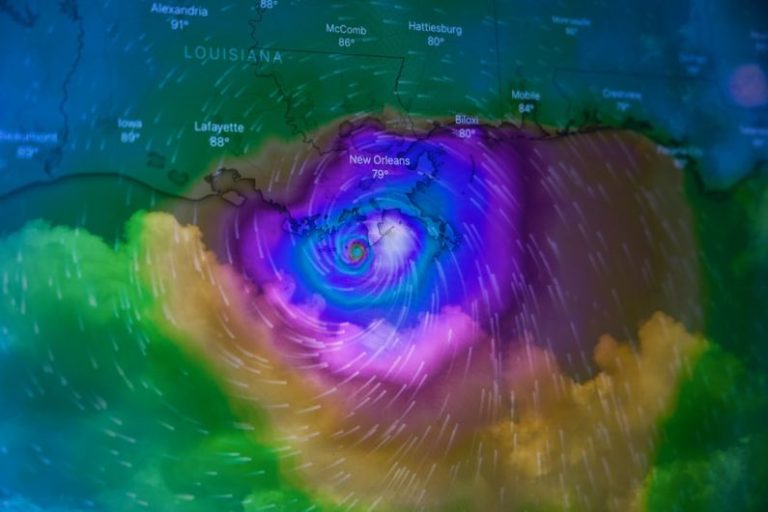
Weather updates and navigation warnings are critical information that can impact the safety of maritime operations. Maritime authorities and meteorological agencies provide regular updates on weather conditions, sea states, and potential hazards to navigation. By staying informed and heeding navigation warnings, ships can adjust their routes, speeds, and operations to avoid dangerous situations and ensure the safety of crew and cargo.
**Conclusion: Ensuring Safe and Efficient Maritime Operations**
Effective communication lies at the heart of safe and efficient maritime operations. From radio communication to satellite technology, the essentials of maritime communication provide a lifeline for ships at sea. By embracing clear communication practices, utilizing advanced technologies, and staying informed of weather and navigational updates, the maritime industry can navigate the seas with confidence and ensure the smooth flow of global trade and transportation. In the dynamic world of maritime communication, staying connected means staying safe.